
Know your Nembutal
Nembutal powder, Euthanasia, and America’s Patchwork of End-of-Life Laws
Jan
The Symbolic Power of a Powder
In the shadowed, deeply personal realm of end-of-life decisions, a single substance has become a potent symbol of both ultimate autonomy and profound legal peril: Nembutal powder. Known generically as pentobarbital, this short-acting barbiturate sits at the volatile crossroads of human suffering, medical ethics, and a profoundly fragmented American legal system. Its whispered reputation as a “peaceful pill” underscores a desperate desire for control at life’s end, a desire that crashes against the hard reality of state-by-state legislation. The story of Nembutal in the United States is not merely about a drug; it is a lens through which we can examine the stark, often cruel, geographic lottery that dictates how Americans may—or may not—legally seek to end terminal suffering. This article delves into the complex role of Nembutal, the vast differences in state euthanasia and aid-in-dying laws, and the ongoing national struggle to reconcile compassion with law.
What is Nembutal? A Drug with Multiple Identities
Nembutal (pentobarbital sodium) is a central nervous system depressant belonging to the barbiturate class. Historically, it had legitimate medical applications as a sedative, a pre-anesthetic, and a treatment for certain seizure disorders. However, in high doses (typically 2 to 10 grams), it suppresses the brainstem’s respiratory drive, leading to unconsciousness and death within 15 to 30 minutes. This lethal potential has defined its other, more controversial roles.
Today, Nembutal’s primary legal uses in the U.S. are in veterinary medicine, where it is a standard agent for animal euthanasia, and in capital punishment, where it is used in some lethal injection protocols. Its reliability and speed have also made it the substance most associated with the global right-to-die movement. Advocates like the late Dr. Philip Nitschke have famously referred to it as the “peaceful pill,” promoting it as a guaranteed, dignified exit for those facing intolerable end-of-life suffering.
Yet, this very reputation has placed Nembutal in a regulatory vice. Due to its high potential for abuse and misuse, it is classified as a Schedule II controlled substance at the federal level by the Drug Enforcement Administration (DEA). Outside of its narrow veterinary and penal applications, possession, distribution, or use of Nembutal powder for the purpose of human euthanasia is unequivocally illegal. This federal prohibition sets the stage for a complex interaction with state laws.
The American Legal Patchwork: A State-by-State Reality
There is no federal law governing medical aid in dying (MAID)—the practice where a terminally ill, mentally competent adult is prescribed medication they can self-administer to bring about a peaceful death. As a result, legality is determined entirely at the state level, creating a map of staggering disparity.
States Where Medical Aid in Dying is Authorized
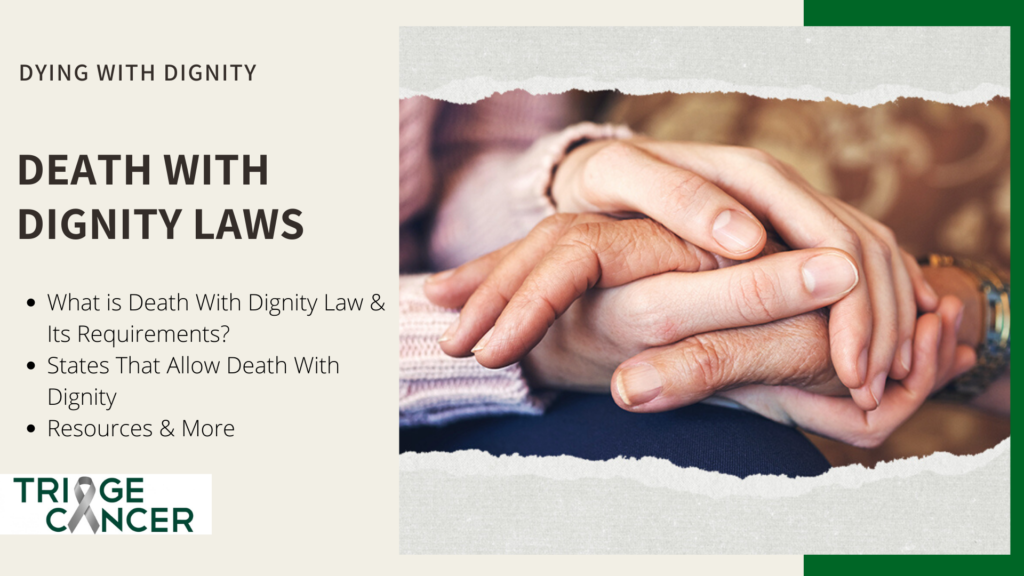
As of early 2026, medical aid in dying is legal in 12 states and Washington, D.C. These jurisdictions include Oregon, Washington, Vermont, California, Colorado, Hawaii, New Jersey, Maine, New Mexico, Illinois, Delaware, and the District of Columbia. Montana operates under a unique legal precedent where physician-assisted dying is not explicitly legalized by statute but is protected by a 2009 State Supreme Court ruling (Baxter v. Montana).
The pioneer was Oregon, whose Death with Dignity Act was passed by voter initiative in 1994 and implemented in 1997. This law established the rigorous model that most other states have followed. The process is designed with multiple safeguards:
-
Eligibility: The patient must be an adult (18+), a resident of the state, capable of making and communicating healthcare decisions, and diagnosed with a terminal illness that will lead to death within six months.
-
Requests: The patient must make two oral requests, at least 15 days apart, and one written request witnessed by two individuals, one of whom cannot be a relative or heir.
-
Medical Consultation: The attending physician and a consulting physician must independently confirm the diagnosis, prognosis, and the patient’s capacity and voluntariness.
-
Prescription: If all requirements are met, the physician may write a prescription for life-ending medication. It is crucial to note that the standard prescription under these laws is not pure Nembutal powder. It is typically a compounded mixture of sedatives and other agents, such as secobarbital or a cocktail of diazepam, digoxin, and morphine.
The Vast Majority of States: Where Aid in Dying is a Crime
In the remaining 38 states, any action by a physician or another person to directly assist in a suicide is a criminal act. These laws vary in severity:
-
Some states, like Florida, classify deliberately assisting in a suicide as manslaughter, a felony.
-
Others have specific “assisted suicide” statutes that carry felony penalties.
-
A few states, like Wyoming, do not have a specific statute prohibiting physician-assisted suicide, but the practice remains fraught with legal risk under broader homicide laws.
This legal chasm creates a profound ethical and practical dilemma. A terminally ill person’s options are dictated by their zip code. This inconsistency has forced some Americans into agonizing choices: to endure suffering beyond their wishes, to attempt relocation in their final months, or to pursue solitary and dangerous paths outside the protection of medical oversight.
The Illicit Nembutal Market: Danger in the Shadows
The glaring gap between widespread desire for a guaranteed peaceful death and restrictive law has fueled a dangerous underground market for Nembutal. Individuals desperate for control often turn to the unregulated internet, where they encounter a minefield of risks:
-
Scams and Financial Exploitation: Websites and online vendors frequently take payment for Nembutal powder that never arrives, preying on the vulnerable.
-
Toxic and Impure Substances: What is sold as Nembutal may be adulterated with other, more painful or dangerous chemicals. There is no quality control, and ingestion can lead to a traumatic, rather than peaceful, death.
-
Criminal Prosecution: Purchasing a Schedule II controlled substance online is a federal crime. Individuals and their loved ones who assist can face serious drug charges or even prosecution under assisted suicide statutes.
-
Isolation: Fear of implicating family members often leads individuals to use the substance alone, dying without the comfort and presence of loved ones.
Law enforcement agencies actively investigate these networks. In early 2025, for example, a Mexican national was indicted by a federal grand jury in Chicago for allegedly illegally importing pentobarbital into the United States. These busts highlight the ongoing cat-and-mouse game between authorities and the illicit supply chain.

Ethical Debates: Autonomy, Suffering, and the Role of Medicine
The debate over Nembutal and medical aid in dying is fundamentally a clash of deeply held ethical principles.
-
The Case for Autonomy: Proponents argue that personal autonomy is a paramount right. Individuals with terminal, suffering-filled illnesses should have the ultimate say over the timing and manner of their death. From this perspective, access to a reliable agent like Nembutal is a matter of bodily integrity and mercy. The highly publicized case of Brittany Maynard, a 29-year-old with glioblastoma who moved to Oregon to use its Death with Dignity Act in 2014, became a powerful symbol for this argument.
-
The Sanctity of Life and Slippery Slope: Opponents, including many religious groups and medical associations, hold that intentionally causing death is always morally wrong. They worry about a “slippery slope” where laws could expand to include those with non-terminal disabilities, chronic illnesses, or mental suffering, potentially putting pressure on vulnerable people to end their lives.
-
The Physician’s Role: The American Medical Association (AMA) officially maintains that physician-assisted suicide is incompatible with the physician’s role as healer. Many doctors struggle with the ethical line between relieving suffering and causing death, even as polls show a majority of the public supports these laws.
-
The Principle of Double Effect: This long-standing medical and ethical doctrine is often presented as a middle ground. It holds that a doctor may provide treatment (like high-dose pain medication) with the primary intention of relieving suffering, even if a foreseen but unintended secondary effect is the hastening of death. This principle is the legal and ethical foundation for aggressive palliative sedation in hospice care, distinguishing it from the intentional act of prescribing a lethal dose.
Palliative Care and Hospice: The Legal Alternative
Across all states, the primary medical-legal framework for end-of-life care is palliative care and hospice. These specialized fields focus on aggressive symptom management, pain relief, and psychosocial and spiritual support for patients and families. The goal is not to prolong life nor hasten death, but to ensure the highest possible quality of life until death occurs naturally.
Hospice care, in particular, is available to anyone with a prognosis of six months or less, regardless of the state’s stance on aid in dying. It represents the system’s official, sanctioned response to end-of-life suffering. However, even its staunchest advocates acknowledge that while it can alleviate most physical pain, it cannot always address the existential suffering or loss of autonomy that leads some to seek Nembutal.
International Perspectives: Contrasts in Approach
The United States’ patchwork approach stands in contrast to several other nations that have legalized some form of assisted dying.
-
Switzerland: Has long allowed assisted suicide by organizations like Dignitas, where Nembutal is the standard substance used. Notably, it does not require a terminal illness, focusing instead on unendurable suffering.
-
The Netherlands, Belgium, Luxembourg, and Canada: These countries have legalized both euthanasia (where a doctor administers the lethal substance) and assisted suicide, often for a broader range of conditions including psychiatric suffering. In Canada, the law has evolved significantly since its 2016 passage, expanding access.
-
Australia: Several states have passed voluntary assisted dying laws in recent years, featuring models similar to those in the U.S., with strict eligibility criteria and oversight.
These international models demonstrate that regulated, legal access to life-ending medication is possible outside of the illicit market. They also continue to grapple with their own ethical expansions and controversies.
Conclusion: Toward a More Compassionate and Consistent Future
The importance of Nembutal powder in the American euthanasia debate is more symbolic than practical within the legal medical system. It represents a deep, unmet desire for a guaranteed, autonomous, and peaceful exit—a need that current law addresses only in a handful of states under strict regulations that do not include the drug itself.
The stark differences in state laws create a landscape of profound inequality, where geography dictates dignity. This pushes desperate individuals toward dangerous, lonely, and illegal solutions. The ongoing national conversation, fueled by advocacy groups like Compassion & Choices and Death with Dignity, is not just about a single drug. It is about how a modern society balances individual autonomy with collective ethics, and how it can build a more compassionate and consistent framework for dying with dignity.
For now, anyone navigating these profoundly difficult questions is urged to seek information and support from legitimate sources: hospice and palliative care providers, state health departments, and established advocacy organizations. The path forward lies not in the shadowy online trade of a powder, but in the difficult, necessary work of legislative change, ethical discourse, and the continued improvement of compassionate care for all at the end of life.

 English
  German
  Spanish
  French
  Italian